What is Moisture Wicking?
•Posted on May 18 2026

If you get yourself out for a run a few times a week, compete in sport, or work out in the gym, you’ll know how important comfy clothing is.
Not only does it make you feel better and more keen to exercise, but it also improves your performance by removing distractions that come with inadequate clothes.
Everything we’ve just said probably sounds obvious, but many don’t realise the science behind why some clothing simply doesn’t work or feel comfortable.
Intense exercise causes sweating, and the purpose of sweat is to cool us down. But when sweat can’t evaporate, it can make that jog or padel session awkward and uncomfortable.
That’s why moisture wicking clothes are so crucial for an optimal session, helping pull sweat away from your skin to the outer layer, which means quick evaporation.
How Does Moisture Wicking Work?
Simply, moisture wicking comes down to capillary action, which is the same process kitchen roll uses to soak up water on the kitchen floor.
Tiny channels within the yarn of moisture wicking clothing pull sweat up and out through the fabric and there are two primary methods:
- Fibre Structure: Polyester and other synthetic fibres are made hydrophobic, which stops sweat soaking into the fibre.
- Fabric Treatments: Alternatively, fabrics can be treated with chemical finishes that improve the speed at which moisture can spread over the clothing surface and evaporate.
Benefits of Moisture Wicking for Clothes
In several ways, quick-drying clothing like moisture wicking helps the wearer. Here’s how:
- It stays comfortable even during intense exercise. There is no concern of wet fabric clinging to skin, with moisture wicking options keeping fabric lighter and drier.
- Your body temperature stays regulated; sweat evaporating properly keeps you cool naturally. When sweat soaks in, your clothes can make you overheat.
- Dry fabric stops chafing, which comes as a result of damp fabric rubbing against the skin.
- Odour becomes much more potent in damper conditions; fabric that dries helps keep that at bay. That said, you’ll still probably need a shower afterwards.
What Materials are Moisture Wicking?
Polyester
The most common moisture wicking fabric is polyester; its lightweight properties help it dry quickly.
Nylon
Similar to polyester but generally softer against the skin. Nylon is slightly more absorbent than polyester but still dries quickly. It tends to be more durable and is often used in leggings, shorts, and swimwear.
Merino Wool
A natural option that works surprisingly well, merino wool fibres have a structure that wicks moisture outward while keeping the surface of the fabric feeling dry. It's naturally antimicrobial, meaning it can be worn multiple times before it starts to smell. It's a popular choice for hiking and outdoor activities, though pricier than synthetics.
Blended Bamboo
Bamboo fabric on its own is absorbent, but when blended with polyester or other synthetics, it can offer reasonable moisture management. It's often marketed as a more eco-friendly option.
Polypropylene
If you’ve worn thermal base layers before, you’ll know how water-resistant they are, and they are often made using polypropylene.
The downside is that it tends to hold odour more than other fabrics, but if that isn’t too much of an issue, it’s a great option.
Materials That Aren’t Good for Working Out in
Cotton
Cotton is comfortable for pretty much anything else, but one of the worst fabrics for exercise. It absorbs sweat and holds onto it, becoming heavy, wet, and uncomfortable.
Great for restaurant trips and relaxing, not a good choice for exercise.
Denim
Stiff, heavy, and non-breathable, denim has no stretch, no moisture management, and dries slowly. It's entirely unsuitable for any physical activity, more so than cotton.
Silk
Silk is breathable and lightweight, but it absorbs moisture and doesn't release it quickly. It can also be damaged by sweat and is difficult to wash, making it impractical for workouts.
Rayon
Rayon is made from wood pulp and feels soft, but it behaves similarly to cotton when wet and absorbs sweat, loses its shape, and dries slowly. It's a common casual fabric but not suitable for exercise.
Moisture Wicking Underwear
Before you get yourself a comfortable shirt, tank top, or pair of shorts that keep you cool for your summer workouts, make sure to start right at the base.
When it comes to comfortable clothing, underwear should be at the very top of the priority list.
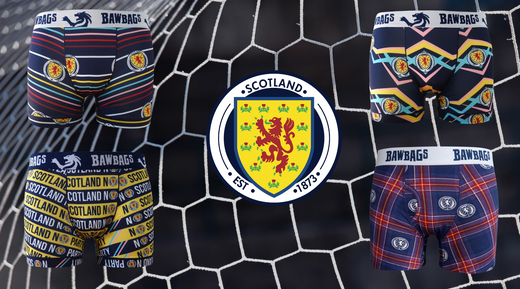
Here at Bawbags, we stock a range of eco-friendly moisture-wicking boxers and underwear that keep you feeling and performing at your best during exercise.